Pine City, MN & 50 miles around
Indoor Air Quality Services in Pine City, MN
Minnesota winters create two specific indoor air problems: extremely dry air from months of heating, and stale air in tightly sealed modern homes. A whole-home humidifier addresses the first and mechanical ventilation the second. Both are installed into your existing duct system rather than plugged in room by room.
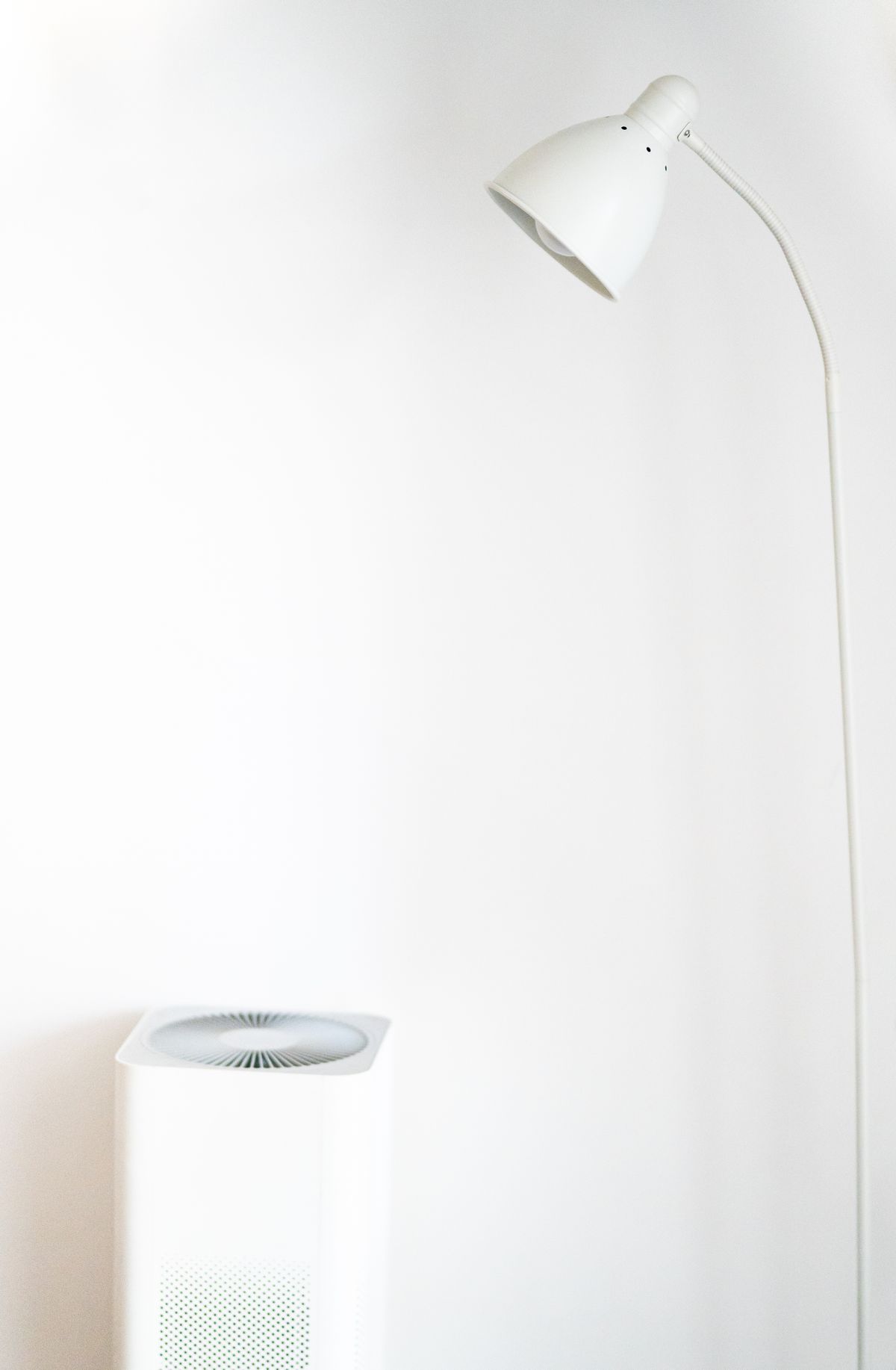
Dry winter air is not just uncomfortable
When outdoor air at ten below is heated to seventy degrees, the relative humidity indoors collapses. That is what causes the cracked lips, the static shocks, the winter nosebleeds and the gaps opening in hardwood floors and trim.
A whole-home humidifier plumbed into the duct system holds the whole house at a sensible level instead of fighting it one room at a time with a portable unit you have to refill.
Filtration that does something
The cheap fibreglass filter in most furnaces exists to protect the blower motor, not your lungs. A four- or five-inch media cabinet filters far more effectively, and because it has vastly more surface area it does so without choking the airflow the way a high-MERV one-inch filter does.
That last point matters. Cramming a high-rated one-inch filter into a slot designed for a cheap one is one of the most common ways homeowners accidentally damage their own equipment.
Ventilation for a tight house
A well-sealed modern home does not exchange air on its own. Without mechanical ventilation, moisture, cooking odours, and carbon dioxide simply accumulate. An HRV or ERV brings in fresh air while recovering most of the heat from the air it exhausts, which is what makes it viable in our climate.
Carbon monoxide is the one to take seriously
Every combustion appliance in the house is a potential CO source, and the risk goes up as equipment ages or as venting deteriorates. We run a combustion analysis on every maintenance visit and we will tell you honestly where your detectors should be. Minnesota law requires a CO alarm within ten feet of every sleeping room.
You may have an air quality problem if
- Static shocks and nosebleeds every winter
- Condensation or frost on the inside of windows
- The house smells stale or stuffy, especially in the morning
- Visible dust settling within a day of cleaning
- Allergy or asthma symptoms that are worse indoors than out
- Gaps opening in hardwood floors, trim or furniture joints
What a call costs
Repair visits carry a flat $89 diagnostic, applied to the cost of the repair when you approve the work. Estimates on new equipment are free. You get the price before we begin, every time.
Related
You Might Also Need
HVAC Maintenance & Tune-Ups
Annual tune-ups that catch the failure before it happens, and keep your warranty valid.
Learn more →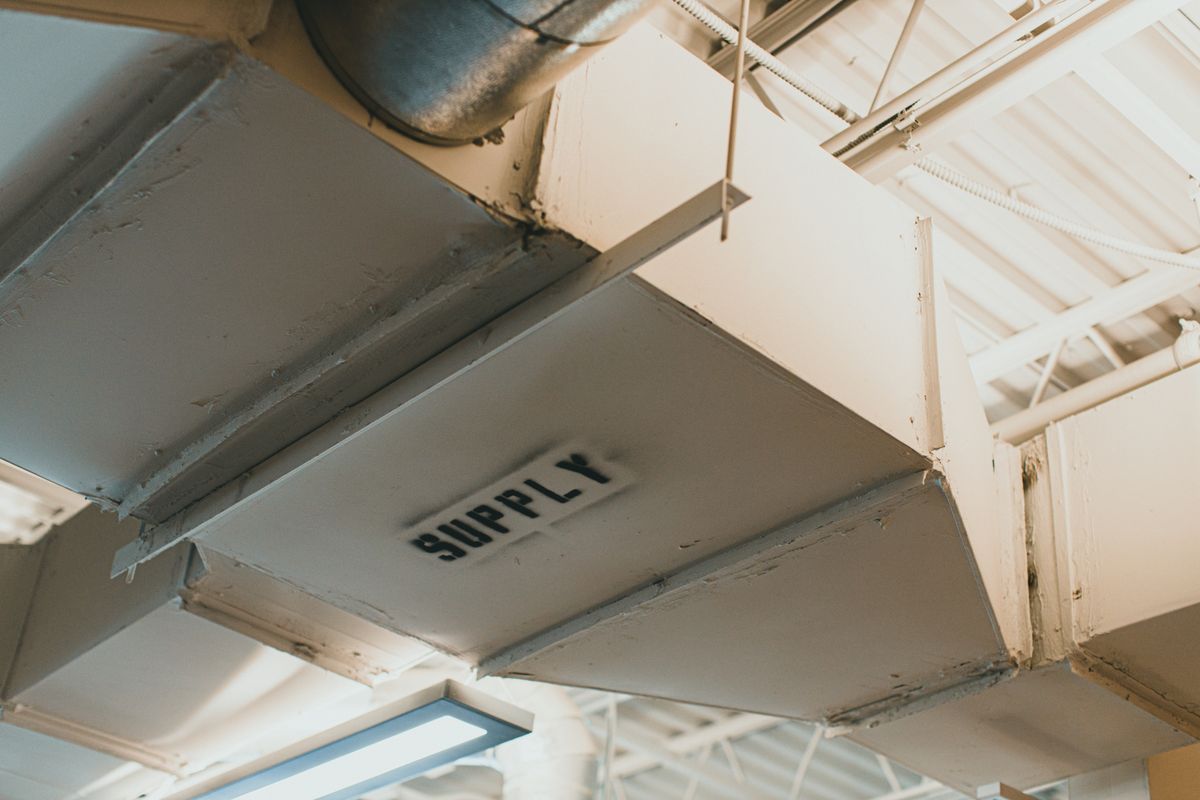
Ductwork & Airflow
The cold bedroom is usually a duct problem, not a furnace problem. We measure before we recommend.
Learn more →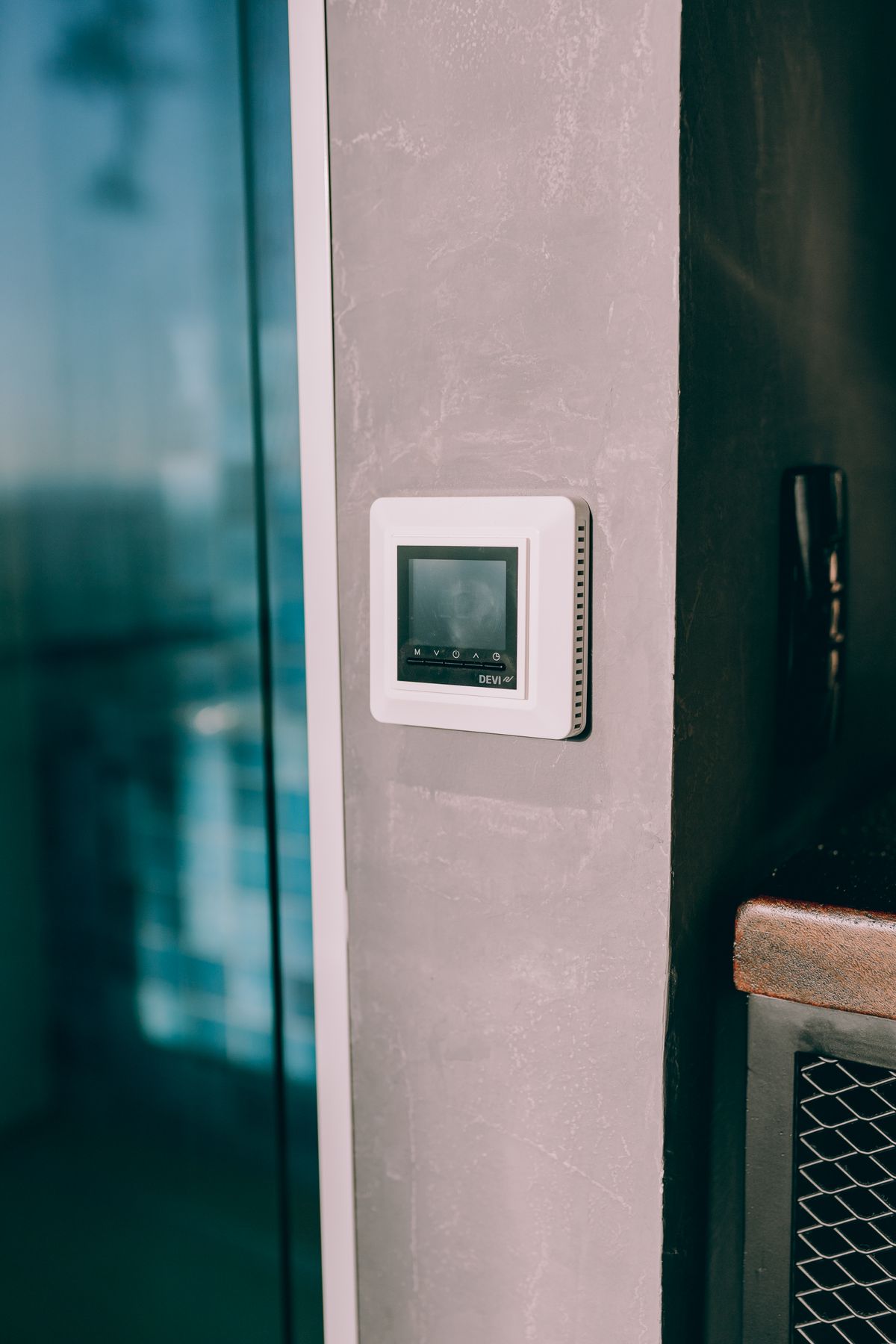
Thermostats & Smart Controls
Smart thermostats wired and configured properly, including the C-wire most old homes are missing.
Learn more →Coverage
Indoor Air Quality Near You
We provide indoor air quality throughout Pine, Kanabec, Chisago, Isanti, Mille Lacs and Carlton counties in Minnesota, and Burnett and Polk counties in Wisconsin.
Straight answers
Indoor Air Quality: questions we get asked
What humidity should I keep my house at in a Minnesota winter?
Roughly 30 to 40 percent in mild winter weather, and lower as it gets colder outside. In deep cold you may need to come down toward 25 percent to stop condensation forming on the windows. If your windows are frosting on the inside, the humidity is too high for that outdoor temperature.
Are whole-home humidifiers better than portable ones?
For a whole house, yes. A portable unit treats one room and needs refilling constantly. A whole-home unit plumbs into your water line and duct system, treats every room the furnace serves, and runs from the same thermostat.
What MERV rating should my filter be?
MERV 8 to 13 is the practical range for a home. Go higher than your duct system can handle and you restrict airflow enough to hurt the equipment. If you want genuinely high filtration, the right move is a thicker media cabinet, not a denser one-inch filter.
Do I need an HRV in an older house?
Usually not, because older homes leak enough air on their own. HRVs and ERVs matter most in tightly built newer homes and in older homes that have been substantially air-sealed during a remodel. We can measure and tell you which category yours is in.
Get a straight quote
Free estimates on new equipment, itemised in writing, with no pressure afterwards.